
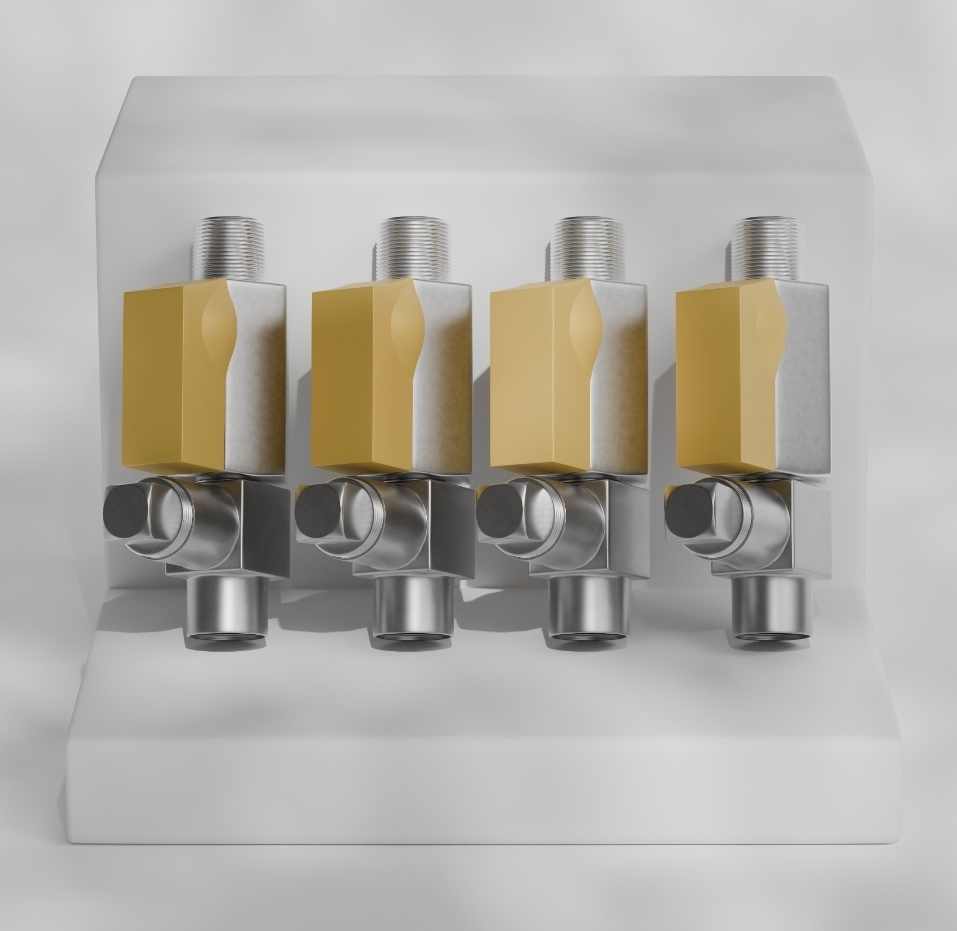
Why is having an AVCV installed in the radiator important?

Installing an AVCV (Air Vent Control Valve) can help save money by improving energy efficiency and reducing waste. When residents attempt to regulate heat by closing the radiator shut-off valve, it can lead to condensation inside the radiator, potentially causing problems. The AVCV simplifies the process, allowing residents to easily shut off the heat when not needed without creating condensation issues. In some cases, residents might not have a valve handle or have difficulty closing it, so an AVCV offers a more user-friendly and effective solution. This way, residents can easily switch on the AVCV when they feel cold or turn it off when they’re too hot, ensuring better temperature control and comfort without causing any system damage due to condensation, extending the life of the air vent and the radiator. No more complaints about uneven heating in an apartment, including noise, leaks, moisture, temperature control, odor, air quality, maintenance, and accessibility.
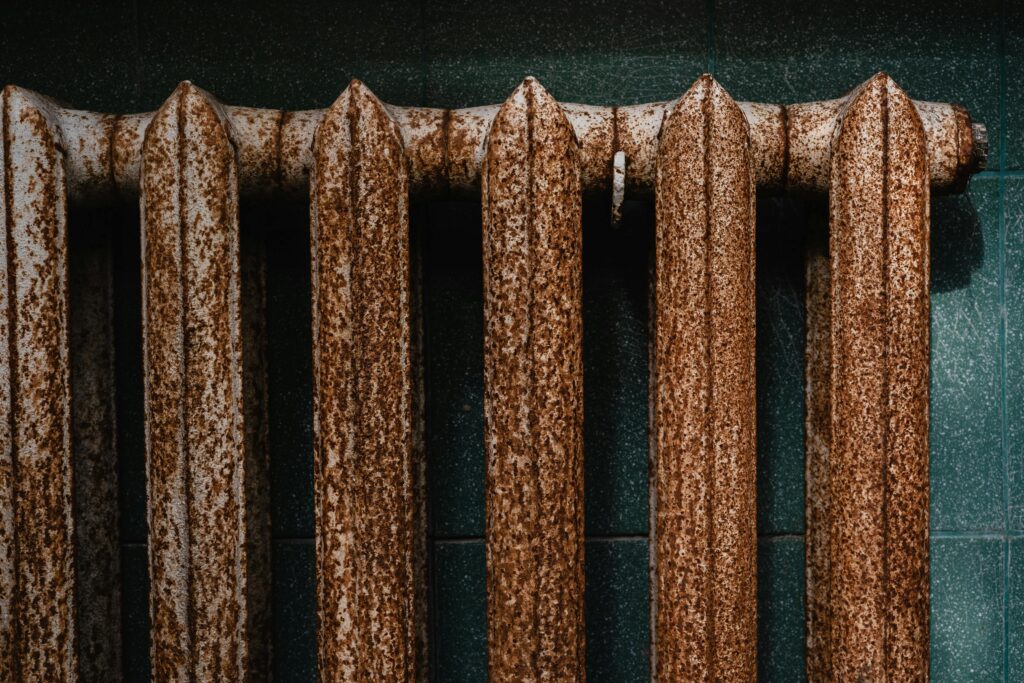
Close-up of a rusty old radiator with textured surface against green tiles, revealing industrial decay.

Tenants most commonly complain about radiators for the following reasons:

  • 1. Uneven Heating Some rooms are too hot, while others are too cold: Steam or hot water radiators may not heat evenly, especially in multi-unit buildings. This often results from air trapped in the system, malfunctioning air vents, or improper balancing. The radiator doesn’t heat at all: This can happen when the air vent is clogged or closed, preventing steam or hot water from entering the radiator. 
  • 2. Noise Banging or knocking sounds (“water hammer” ): Usually caused by condensation trapped in the radiator or piping, often from improper pitch or valves that aren’t fully open. Hissing sounds: Often come from air vents releasing steam, sometimes because they are defective or the boiler pressure is too high. 
  • 3. Leaks and Moisture Steam or water leaks: Leaky air vents, valves, or pipe connections can release steam into apartments, causing humidity, paint damage, or rust stains. Condensation puddles: Water collecting under the radiator may indicate an internal leak or improper slope. 
  • 4. Temperature Control Issues Can’t turn off radiator: Many tenants complain that they can’t control the heat, especially when the radiator has no shut-off feature. Constant overheating: Some radiators run hot all the time, forcing tenants to open windows in winter, wasting heat and energy. 
  • 5. Odor or Air Quality Burning smell: Dust buildup on radiator surfaces burns off when the heat turns on. Steam smell or dampness: From leaking valves or vents releasing humid air. 
  • 6. Maintenance and Accessibility Challenging to replace vents or valves: Tenants often can’t safely shut off or service radiators without shutting down the entire system. Painted-over parts: Air vents and valves sometimes get clogged with paint, preventing proper operation.  

What are the benefits of having the AVCV in every radiator?

1. Prevents Steam Leaks and Hissing

The AVCV allows you to shut off the radiator’s air vent without turning off the boiler.

When an air vent begins to leak or hiss continuously, you can close the AVCV to instantly stop steam flow.

This prevents unnecessary steam loss, excess humidity, and wasted fuel.

 2. Eliminates Knocking and Banging Noises

Steam knocking (“water hammer”) happens when condensation gets trapped inside a radiator because the main valve is closed improperly.

The AVCV avoids this by allowing controlled venting and shutting off only the air flow, not the steam or condensate path.

As a result, steam and water flow freely, preventing pressure buildup and loud banging sounds.

 3. Allows Safe, Easy Air Vent Replacement

Typically, to replace a faulty radiator air vent, you need to shut down the boiler and allow the system to cool.

With the AVCV, you can close the valve, safely remove the old air vent, and install a new one — all without shutting off or draining the system.

This reduces maintenance time, water loss, and system downtime.

 4. Reduces Energy Waste and Costs

Leaking or over-venting radiators cause the boiler to work harder to maintain pressure, resulting in wasted fuel.

By allowing you to control venting precisely, the AVCV ensures steam is used efficiently, resulting in lower heating bills.

 5. Extends the Radiator and Air Vent Lifespan

Because it prevents constant exposure to steam, corrosion, and pressure stress, the AVCV helps prolong the life of both the radiator and air vents, reducing costly replacements.


Why is having an AVCV installed in the radiator important?

Installing an AVCV (Air Vent Control Valve) can help save money by improving energy efficiency and reducing waste.

When residents attempt to regulate heat by closing the radiator shut-off valve, it can lead to condensation inside the radiator, potentially causing problems. The AVCV simplifies the process, allowing residents to easily shut off the heat when not needed without creating condensation issues.

In some cases, residents might not have a valve handle or have difficulty closing it, so an AVCV offers a more user-friendly and effective solution. This way, residents can easily switch on the AVCV when they feel cold or turn it off when they’re too hot, ensuring better temperature control and comfort without causing any system damage due to condensation, extending the life of the air vent and the radiator.

No more complaints about uneven heating in an apartment, including noise, leaks, moisture, temperature control, odor, air quality, maintenance, and accessibility.

Tenants most commonly complain about radiators for the following reasons:

1. Uneven Heating
Some rooms are too hot, while others are too cold: Steam or hot water radiators may not heat evenly, especially in multi-unit buildings. This often results from air trapped in the system, malfunctioning air vents, or improper balancing.

The radiator doesn’t heat at all: This can happen when the air vent is clogged or closed, preventing steam or hot water from entering the radiator.

2. Noise
Banging or knocking sounds (“water hammer” ): Usually caused by condensation trapped in the radiator or piping, often from improper pitch or valves that aren’t fully open.

Hissing sounds: Often come from air vents releasing steam, sometimes because they are defective or the boiler pressure is too high.

3. Leaks and Moisture
Steam or water leaks: Leaky air vents, valves, or pipe connections can release steam into apartments, causing humidity, paint damage, or rust stains.

Condensation puddles: Water collecting under the radiator may indicate an internal leak or improper slope.

4. Temperature Control Issues
Can’t turn off radiator: Many tenants complain that they can’t control the heat, especially when the radiator has no shut-off feature.

Constant overheating: Some radiators run hot all the time, forcing tenants to open windows in winter, wasting heat and energy.

5. Odor or Air Quality
Burning smell: Dust buildup on radiator surfaces burns off when the heat turns on.

Steam smell or dampness: From leaking valves or vents releasing humid air.

6. Maintenance and Accessibility
Challenging to replace vents or valves: Tenants often can’t safely shut off or service radiators without shutting down the entire system.

Painted-over parts: Air vents and valves sometimes get clogged with paint, preventing proper operation.

Close-up of a rusty old radiator with textured surface against green tiles, revealing industrial decay.

What are the benefits of having the AVCV in every radiator?

1. Prevents Steam Leaks and Hissing

The AVCV allows you to shut off the radiator’s air vent without turning off the boiler.

When an air vent begins to leak or hiss continuously, you can close the AVCV to instantly stop steam flow.

This prevents unnecessary steam loss, excess humidity, and wasted fuel.

 2. Eliminates Knocking and Banging Noises

Steam knocking (“water hammer”) happens when condensation gets trapped inside a radiator because the main valve is closed improperly.

The AVCV avoids this by allowing controlled venting and shutting off only the air flow, not the steam or condensate path.

As a result, steam and water flow freely, preventing pressure buildup and loud banging sounds.

 3. Allows Safe, Easy Air Vent Replacement

Typically, to replace a faulty radiator air vent, you need to shut down the boiler and allow the system to cool.

With the AVCV, you can close the valve, safely remove the old air vent, and install a new one — all without shutting off or draining the system.

This reduces maintenance time, water loss, and system downtime.

 4. Reduces Energy Waste and Costs

Leaking or over-venting radiators cause the boiler to work harder to maintain pressure, resulting in wasted fuel.

By allowing you to control venting precisely, the AVCV ensures steam is used efficiently, resulting in lower heating bills.

 5. Extends the Radiator and Air Vent Lifespan

Because it prevents constant exposure to steam, corrosion, and pressure stress, the AVCV helps prolong the life of both the radiator and air vents, reducing costly replacements.

Reach out to us for an estimate on valve costs for a residential building and

installation if needed in the NYC area.

Shopping Basket